Insight
How to Recognize Long-Term Potential in a Property
Apr 1, 2026
Insight
Apr 1, 2026
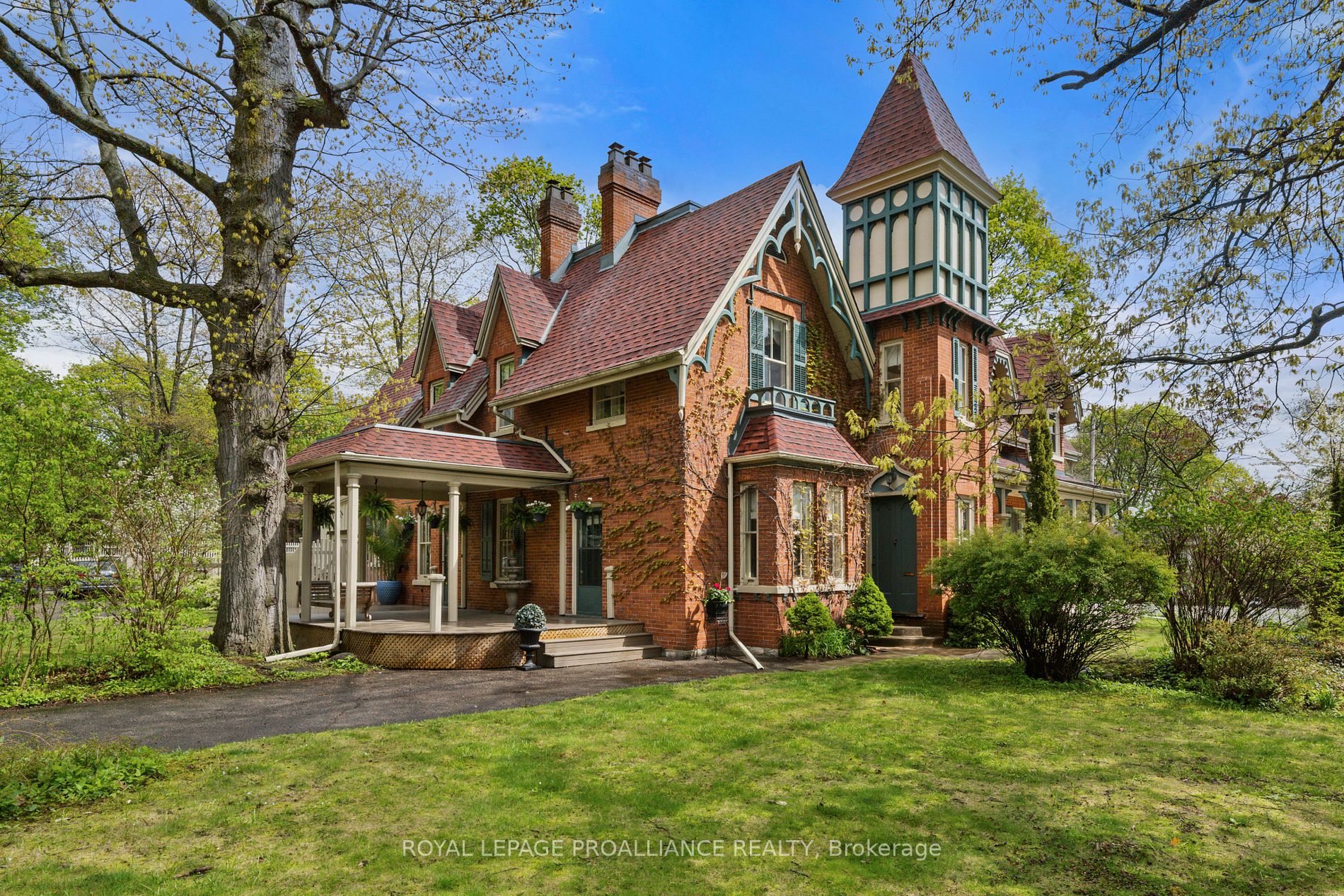
When viewing a home, it’s easy to focus on the details that stand out immediately. Fresh paint, updated fixtures, and carefully arranged furniture often create a strong first impression. While presentation plays a role in how a home is perceived, long-term potential usually depends on elements that are less obvious during an initial showing.
Layout is often one of the most important indicators of lasting value. Homes with functional flow between living spaces tend to adapt more easily as needs change over time. Spaces that feel comfortable and practical today are more likely to remain appealing in the future.
Natural light can also influence how a property is experienced. Well-placed windows create a sense of openness and help rooms feel more inviting throughout the day. Homes that receive consistent natural light often feel more comfortable long-term and may appeal to a broader range of buyers if resale becomes a consideration.
Structural condition is another factor worth paying attention to. While cosmetic updates can be changed relatively easily, structural elements such as roofing, foundation integrity, and mechanical systems contribute to the overall stability of the home.
It can also be helpful to think about how the property could evolve. Features such as flexible spaces, usable outdoor areas, or room for future updates often provide opportunities to adapt the home to changing needs.
Recognizing long-term potential is not about predicting the future perfectly. It is about identifying qualities that have consistently contributed to comfort and value over time. When buyers focus on these fundamentals, they are often able to make decisions with greater confidence.