Insight
How to Compare Homes Objectively When Everything Starts to Blend Together
Apr 7, 2026
Insight
Apr 7, 2026
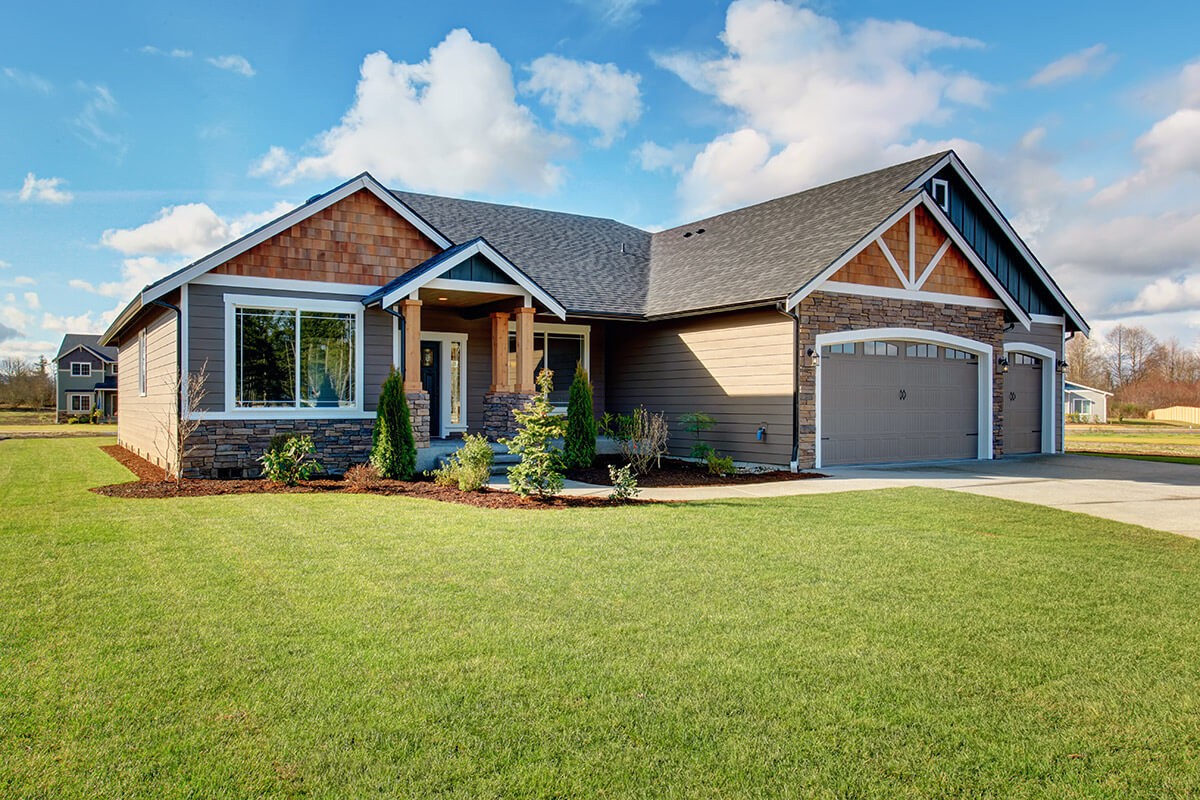
After viewing several homes, details can begin to feel repetitive. Similar layouts, finishes, and features may make it difficult to clearly identify which property best meets your needs. Without a structured approach, buyers sometimes rely on general impressions rather than specific criteria. Creating a consistent way to evaluate each home can help simplify the decision process.
One helpful strategy is to identify priorities before beginning showings. Distinguishing between must-have features and preferences allows buyers to focus on what matters most. This clarity can help prevent attractive presentation from overshadowing important functional considerations.
While visual presentation can influence perception, long-term satisfaction often depends on how well the home supports daily routines. Storage availability, room flow, and overall layout functionality often impact comfort more than cosmetic finishes. Considering how each space will be used helps reveal whether the home aligns with your lifestyle.
Thinking about furniture placement, work-from-home needs, and future flexibility can also help determine whether the property will continue to meet expectations over time.
Layout often determines how adaptable a home feels as needs change. Clear transitions between spaces and logical room positioning can make the home feel more intuitive to live in. Even small differences in layout can influence how comfortable a property feels long-term.
Comparing layout functionality across homes can help highlight meaningful distinctions that may not be obvious initially.
Documenting impressions shortly after visiting a property helps preserve details that may otherwise be forgotten. Recording observations about layout, condition, and overall feel allows for more accurate comparisons later.
Simple notes can make it easier to identify which homes consistently meet your priorities. This process helps ensure decisions are based on thoughtful evaluation rather than memory alone.